balance sheet

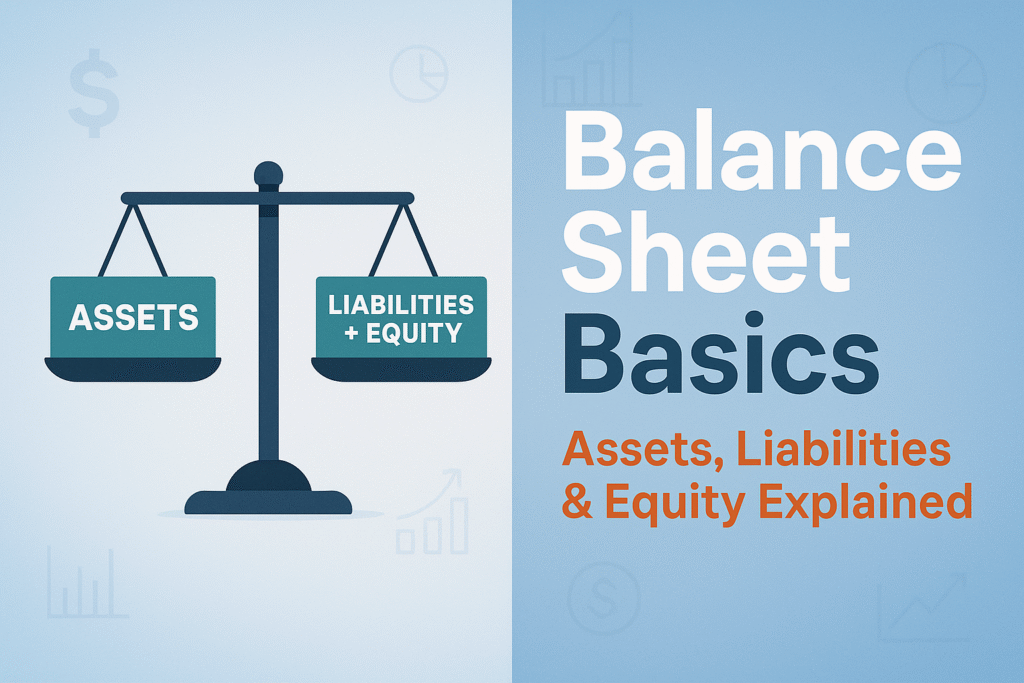
How to Read a Balance Sheet for Small Business: Step-by-Step Guide

Ever wonder how companies, or even wealthy individuals, truly measure their financial health? The secret lies in a single, powerful document called the balance sheet. Think of it as a financial snapshot that reveals everything you own, everything you owe, and what’s actually yours at any given moment. Whether you’re evaluating a stock investment, managing […]

How to Read a Balance Sheet for Small Business: Step-by-Step Guide Read More »
income statement

How to Read an Income Statement: Simple Guide with Examples

Ever wondered how companies actually make money, or lose it? The income statement is your financial x-ray, revealing exactly where every dollar comes from and where it goes. Whether you’re analyzing stocks, running a small business, or just trying to understand how the stock market works, mastering this single document gives you superpowers in the

How to Read an Income Statement: Simple Guide with Examples Read More »

total revenue

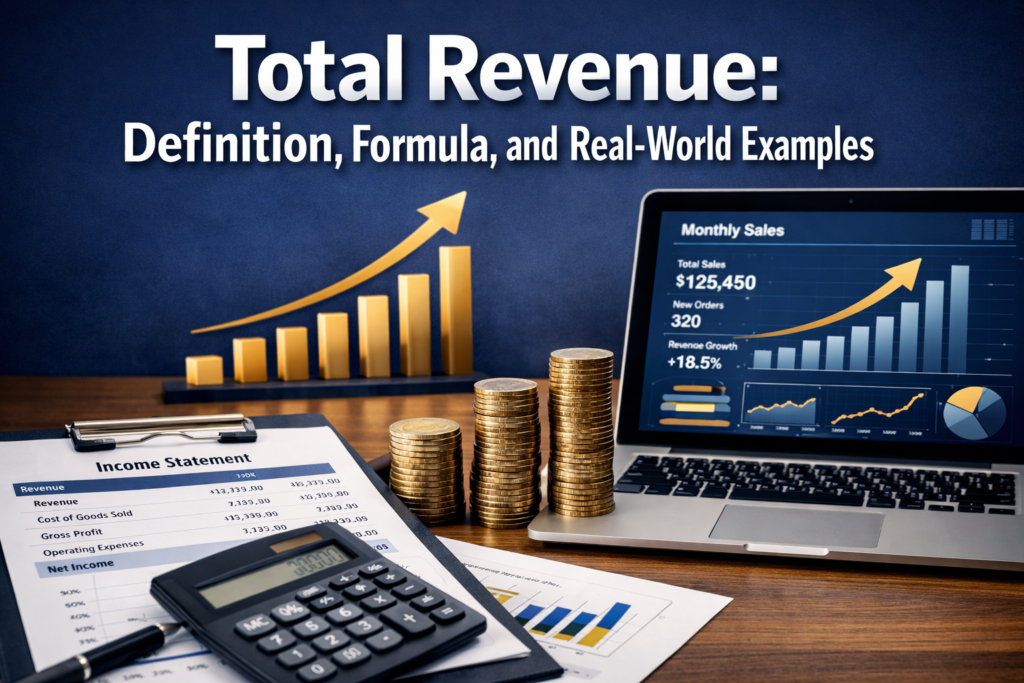
Total Revenue: Definition, Formula, and Real-World Examples

Total revenue is the total amount of money a business earns from selling its products or services before any expenses are deducted. It’s one of the first numbers you’ll see on an income statement, and one of the most misunderstood. Many beginners assume that a company’s higher total revenue means it is doing well. In reality, a

Total Revenue: Definition, Formula, and Real-World Examples Read More »

20/4/10 Rule

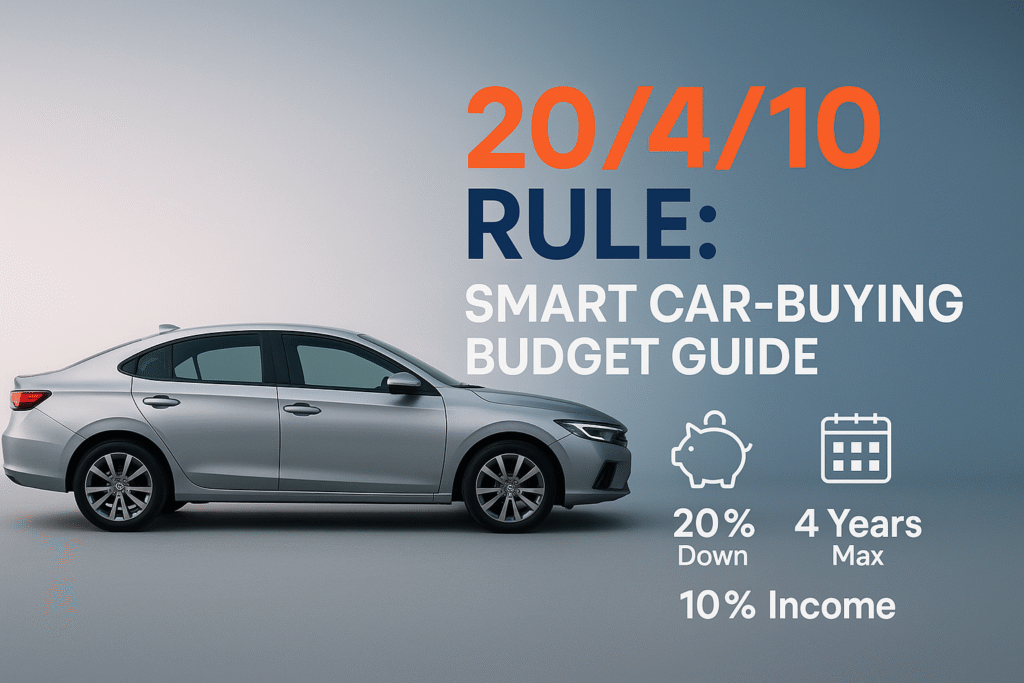
20/4/10 Rule for Car Buying: Smart Budgeting with 20% Down, 4-Year Loan & 10% Cap

← Back to Budgeting and Saving Picture this: you walk into a dealership, fall in love with a sleek new car, and before you know it, you’re signing papers on a loan that’ll haunt your budget for the next seven years. Sound familiar? You’re not alone. The average American car payment hit a staggering $726

20/4/10 Rule for Car Buying: Smart Budgeting with 20% Down, 4-Year Loan & 10% Cap Read More »

marginal cost

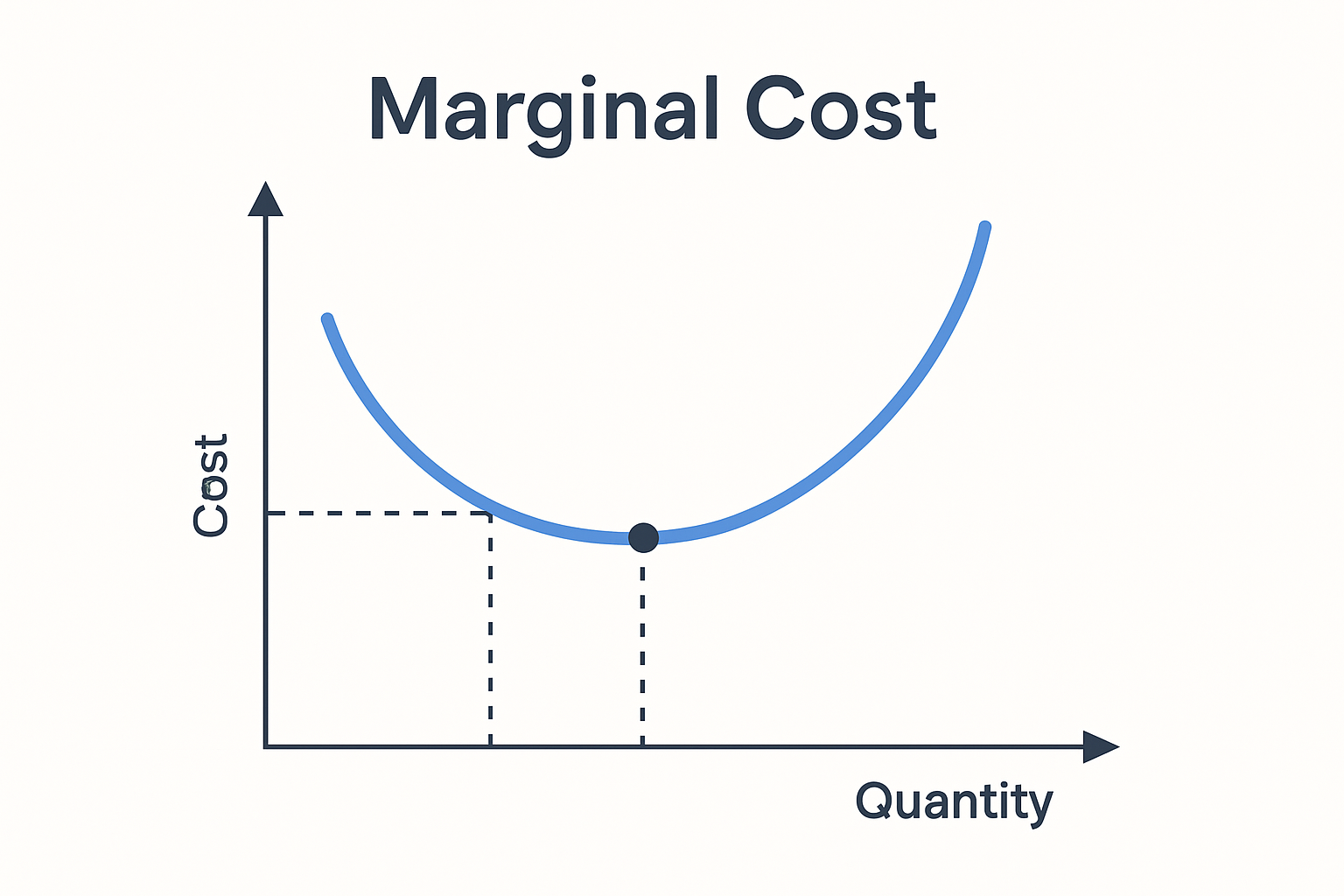
Why Marginal Cost Is Critical for Smart Pricing Decisions

Marginal cost refers to the additional cost incurred when producing one more unit. Understanding it helps you set prices that maximize profits and avoid costly overproduction. This single metric is one of the most important tools in a business owner’s decision-making toolbox, and it directly influences profitability, scalability, and long-term sustainability. In this guide, we’ll

Why Marginal Cost Is Critical for Smart Pricing Decisions Read More »

Deferred Revenue

Deferred Revenue Explained: What It Is, How It Works, and Why It Matters

Imagine getting paid $12,000 today for a service you’ll deliver over the next year. Sounds great, right? But here’s the catch: you can’t count it all as profit just yet. Welcome to the world of deferred revenue—a critical accounting concept that affects everything from subscription businesses to software companies, and understanding it could change how

Deferred Revenue Explained: What It Is, How It Works, and Why It Matters Read More »

Need vs Want

Needs vs Wants: How to Tell the Difference (Budget Examples + 50/30/20 Rule)

← Back to Budgeting and Saving Needs vs wants is the foundation of every successful budget. A need is something you must pay for to survive and function, while a want is optional and improves your lifestyle. Understanding the difference helps you avoid overspending, save faster, and follow proven budgeting rules, such as the 50/30/20

Needs vs Wants: How to Tell the Difference (Budget Examples + 50/30/20 Rule) Read More »