Budgeting & Saving

Money management starts long before investing.
Before you build wealth, you need control. That control begins with budgeting and consistent saving.

Budgeting is the process of deciding where your money goes before you spend it. Saving is the habit of keeping a portion of your income for future needs instead of immediate consumption. Together, they create financial stability.

Without a budget, income disappears unnoticed.
Without savings, unexpected expenses turn into debt.

Budgeting and saving are not about restriction. They are about clarity. When you know how much you earn, spend, and keep, financial decisions become intentional instead of reactive.

This section covers the foundational skills that support every other financial goal:

  • How to build a realistic monthly budget

  • The difference between fixed and variable expenses

  • Emergency funds and why they matter

  • The 50/30/20 rule and other budgeting frameworks

  • Short-term vs long-term savings strategies

  • How savings reduce financial stress and debt risk

A strong savings habit protects you from relying on high-interest credit during emergencies. It also creates the flexibility to invest, relocate, change careers, or handle unexpected life events.

Many people try to invest before they stabilize their cash flow. That often leads to frustration, withdrawals, or new debt. Budgeting ensures your foundation is solid before taking financial risks.

Saving also improves financial decision-making. When you have reserves, you make choices based on opportunity — not urgency.

This category is designed for beginners who want practical, step-by-step guidance. Whether you are building your first budget, increasing your savings rate, or trying to break a cycle of overspending, these guides will help you understand the mechanics behind financial stability.

Before growing money, you must protect it.
Before protecting it, you must track it.

Budgeting and saving are where long-term financial progress begins.

Saving Money

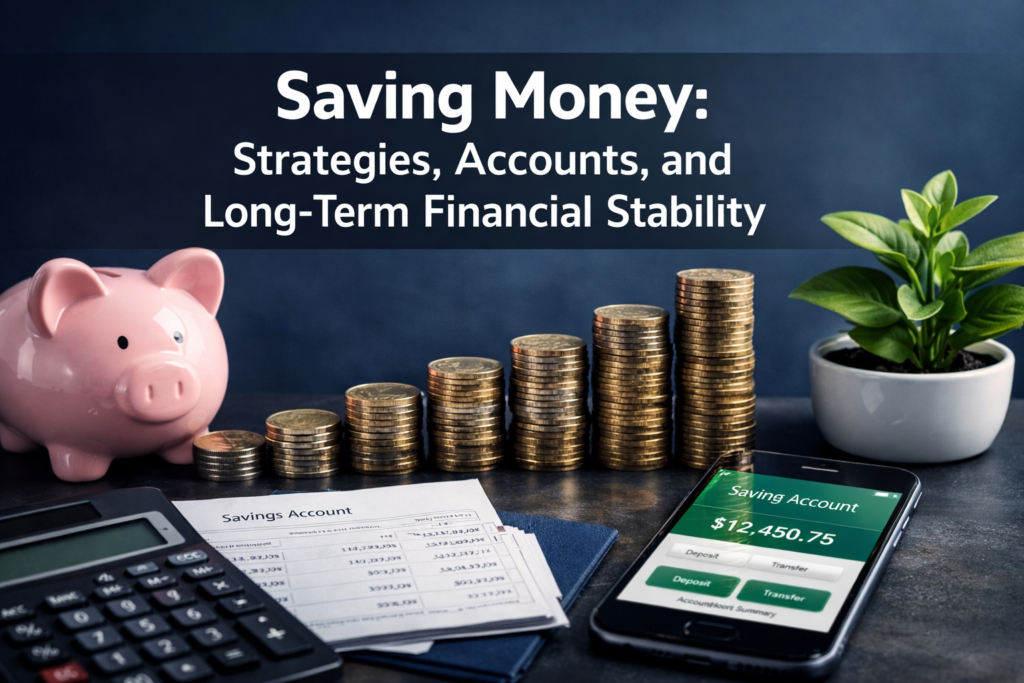
Saving Money: Strategies, Accounts, and Long-Term Financial Stability

Building wealth begins with a simple but powerful habit: saving money consistently. Most people understand they should save, but few grasp the mathematical foundation that makes savings the cornerstone of financial stability. Saving money isn’t about deprivation—it’s about creating liquidity, building an emergency buffer, and establishing the foundation needed before investing for growth. Successful saving […]

Saving Money: Strategies, Accounts, and Long-Term Financial Stability Read More »

50/30/20 Rule

The 50/30/20 Rule: A Simple Yet Powerful Budget Framework

← Back to Budgeting and Saving Picture this: you just got paid, and within days, your bank account looks like a desert. Sound familiar? You’re not alone—millions of people struggle with budgeting simply because they’ve never learned a straightforward system. Enter the 50/30/20 rule, a refreshingly simple budgeting framework that takes the guesswork out of

The 50/30/20 Rule: A Simple Yet Powerful Budget Framework Read More »

How to save money fast

How to Save Money Fast: A Smart Savings Plan That Actually Works

← Back to Budgeting and Saving Picture this: it’s the middle of the month, your bank account is running on fumes, and an unexpected expense just landed in your lap. Sound familiar? You’re not alone. Nearly 69% of Americans have less than $1,000 in savings, according to recent Federal Reserve data. But here’s the good

How to Save Money Fast: A Smart Savings Plan That Actually Works Read More »

Emergency Fund vs Savings

Emergency Fund vs Savings: What’s the Real Difference and Why It Matters

← Back to Budgeting and Saving Picture this: Your car breaks down on a Tuesday morning, and the repair bill is $1,200. Do you have the cash ready, or are you scrambling to figure out how to pay for it? This scenario perfectly illustrates why understanding the difference between an emergency fund vs savings can

Emergency Fund vs Savings: What’s the Real Difference and Why It Matters Read More »

profit

Profit: The Ultimate Guide to Understanding, Measuring & Maximizing It

Profit is the money left over after a business, investment, or side hustle pays all its costs, and it’s the single most important measure of financial success. Whether you’re running a company, analyzing stocks, or building passive income, profit tells you if your strategy is actually working or just breaking even. In simple terms, profit

Profit: The Ultimate Guide to Understanding, Measuring & Maximizing It Read More »

wealth mindset

Wealth Mindset: How Rich Thinking Builds Long-Term Financial Success

Building wealth is not just about earning more money. It starts with how you think about money, risk, and growth. A wealth mindset is the mental framework that drives financially successful people to make decisions that compound over time. It shapes behavior, influences habits, and determines whether someone builds assets or stays trapped in cycles

Wealth Mindset: How Rich Thinking Builds Long-Term Financial Success Read More »

Time management

Time Management: How to Manage Your Time Effectively (Step-by-Step Guide)

Time management is the systematic process of planning and controlling how you allocate hours to specific activities to maximize productivity and achieve defined goals. In 2026, professionals lose an average of 21.8 hours per week to poor planning, disorganization, and reactive task switching, costing businesses $588 billion annually in lost productivity. Effective time management operates

Time Management: How to Manage Your Time Effectively (Step-by-Step Guide) Read More »

emergency fund

What Are Three Questions to Ask Yourself Before You Spend Your Emergency Fund?

← Back to Budgeting and Saving Picture this: It’s 2 a.m., and you’re staring at your phone screen, finger hovering over the “Transfer Funds” button. Your emergency fund sits there, $5,000 you’ve carefully saved over the past two years. Your car just broke down, your best friend is getting married across the country, and that

What Are Three Questions to Ask Yourself Before You Spend Your Emergency Fund? Read More »

20/4/10 Rule

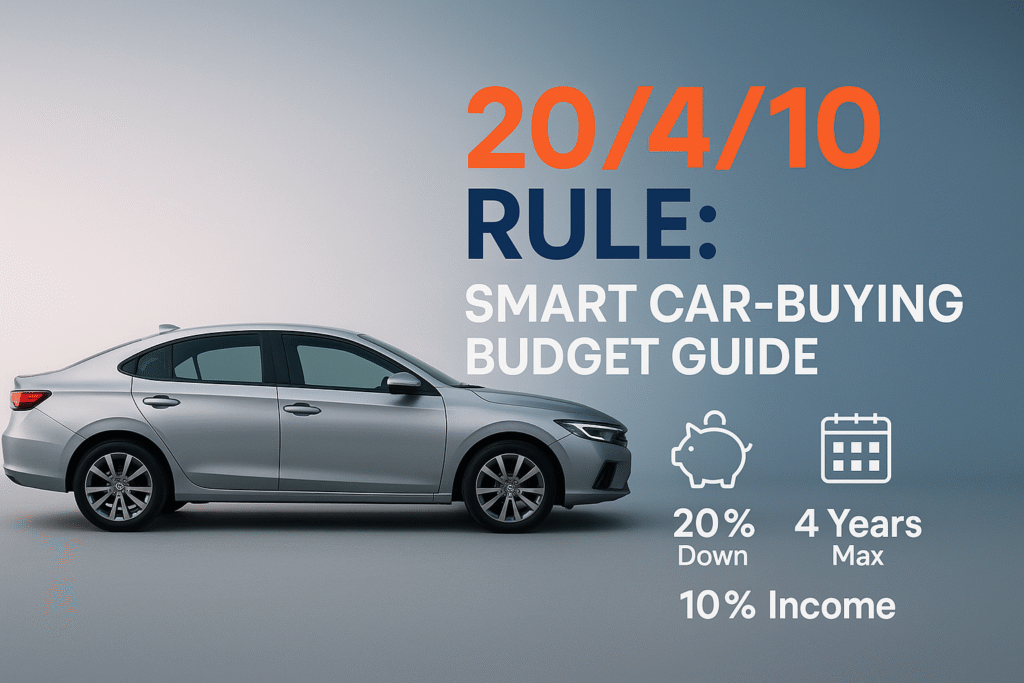
20/4/10 Rule for Car Buying: Smart Budgeting with 20% Down, 4-Year Loan & 10% Cap

← Back to Budgeting and Saving Picture this: you walk into a dealership, fall in love with a sleek new car, and before you know it, you’re signing papers on a loan that’ll haunt your budget for the next seven years. Sound familiar? You’re not alone. The average American car payment hit a staggering $726

20/4/10 Rule for Car Buying: Smart Budgeting with 20% Down, 4-Year Loan & 10% Cap Read More »